Project Location
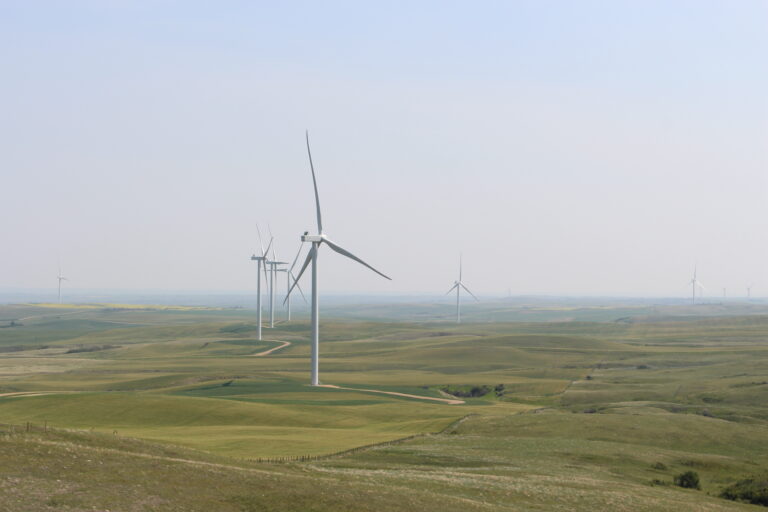
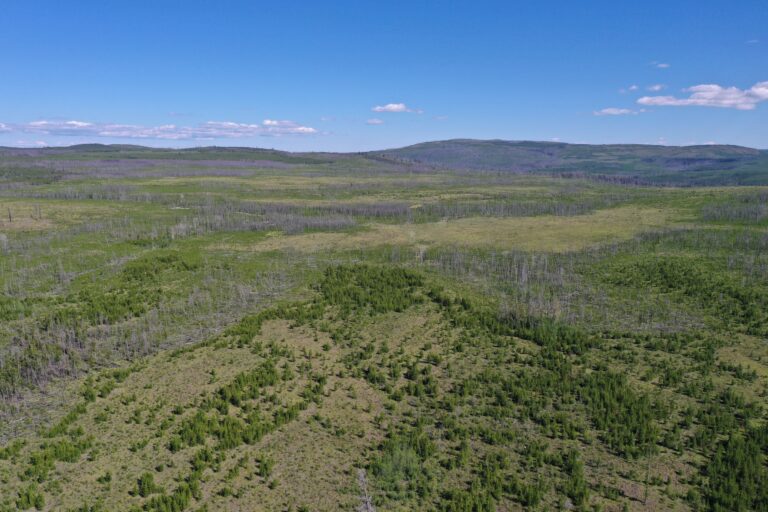
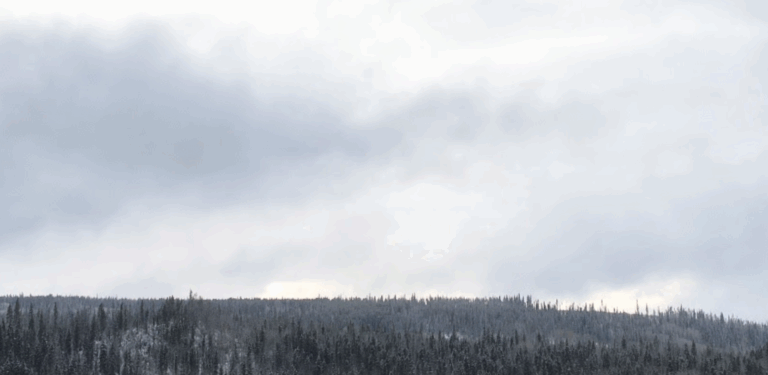
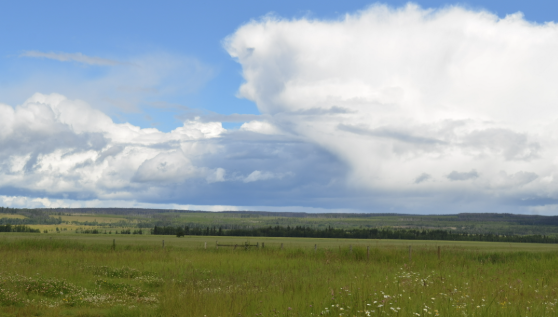
The Prairie Horizon Wind Project is located on approximately 13,000 acres, three miles north of Cosmos, Minnesota. The project is located on private land, owned by participating landowners and is predominately used for agricultural purposes.
Project Development
With decades of experience, we have a team of internal experts to take projects from conception and make them a reality. Our team works in close consultation with government agencies and key stakeholders to site, build and operate our facilities responsibly. To learn more about our approach to project development, click here.
Over the last year, our team has been active in the community consulting with Meeker County and reaching out to landowners to confirm interest in the Project. At this time, we have also submitted a project application into the interconnection queue to connect to the electrical grid. Preliminary environmental field studies and engineering work is on-going and we anticipate additional studies will begin in late 2026. MET towers will be installed on site in late 2026 to gather wind data and help inform project design and engineering.
We are committed to ongoing engagement throughout the decision-making process for the project. We believe that trust is the foundation for long-term successful relationships, and we know that trust is only earned over time by working together with honest and transparent communications.
Project Infrastructure
The proposed Project infrastructure would be comprised of wind turbines, electrical collection lines, access roads, an electrical substation, and a transmission line to connect the Project into the electrical grid.
Giving Back
We are committed to giving back to the communities where we live, work, and operate. Our Community Investment Program includes annual scholarship opportunities and a project-specific community donation fund.
Adams & Danielson Wind Scholarship Program
On behalf of the local Adams and Danielson Wind Facilities, we award an annual scholarship to a graduating senior of the ACGC High School. The scholarship recognizes a student who demonstrates strong academic performance, a commitment to bettering their community, and displays an interest in a field of study applicable to renewable energy.
Congratulations to our 2026 Scholarship Recipient, Haley Johnson!
Community Funding
We have established a project-specific community investment fund on behalf of the Prairie Horizon Wind Project to provide direct benefit to the local community in support of our three giving priorities: Education, Community Building, and the Environment.
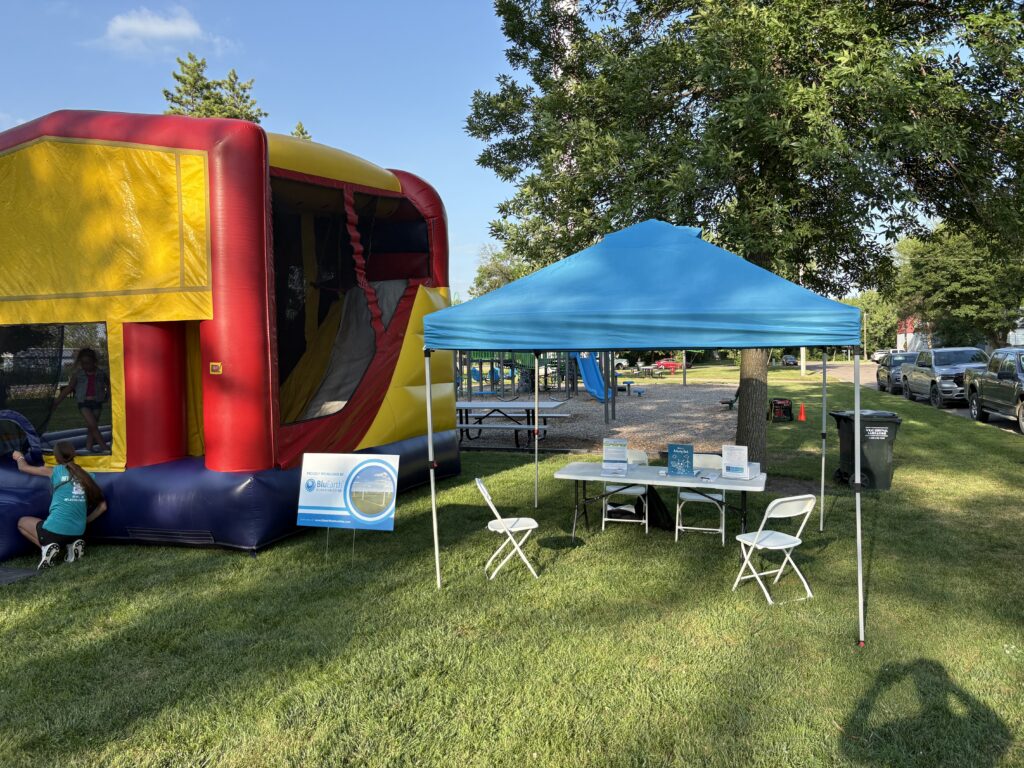
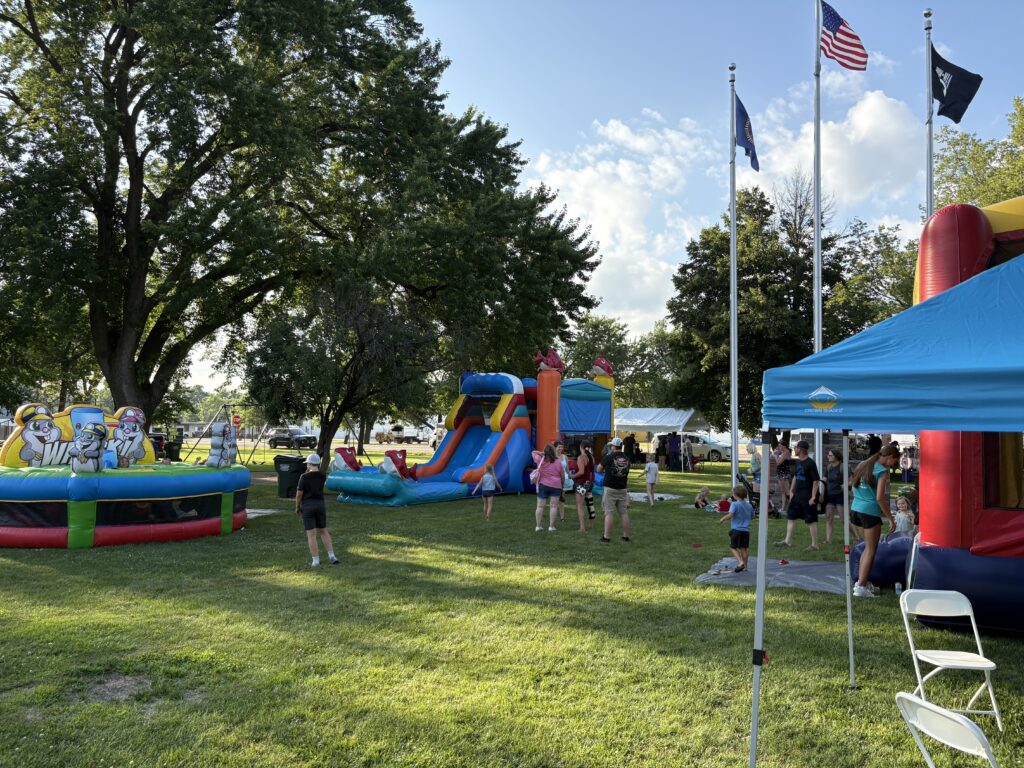
In 2026, on behalf of our Prairie Horizon Wind Project, we were proud to sponsor the inflatables park at the Cosmos Space Festival and Lake Lillian Fun Days. We enjoyed meeting with many community members at these events!
We welcome community input on where donations should be directed to help bring the most benefit to the community. Learn more and submit an online funding request at: www.bluearthrenewables.com/funding/
Contact Us
We want to hear from you. For more information on the Prairie Horizon Wind Project, or to join our mailing list, contact the Prairie Horizon Project Team.
Aaron Van Deurzen, Project Developer
Direct Line: 920-460-7374
General Line: 1-587-324-4238
projects@bluearth.ca
Additional Resources
Frequently Asked Questions
The proposed project would benefit the local economy with hundreds of jobs at peak construction, several full time Operation & Maintenance Technician positions, indirect revenue to the local community in the form of local services and supplies, and annual tax revenue for the life of the project. Wind projects provide stable income to local farmers and landowners from land lease agreements and allow farming up to the base of the turbine gravel pad, leading to increased diversification of local landowner income.
In addition, through the State of Minnesota’s Wind Energy Production Tax, all wind projects provide additional benefits to the local community, with 80% of the tax proceeds directed towards the local County, and 20% directed towards the local township. Our existing Adams & Danielson Wind Facilities contribute over $135,000 in annual wind energy tax revenue that stays directly in the local community. The Prairie Horizon Wind Project could contribute up to 5x that amount, based on the project size.
Wind turbines occupy a small fraction of the land on which they are sited, so they work in harmony with existing and established land uses. Many of the activities that occurred on the land before a wind facility was built can continue undisturbed after construction is completed. For example, crops can be planted right up to the base of the turbines and harvested with typical farming equipment. Livestock, such as sheep, cows and horses, can continue to graze around the towers.
The global wind industry collectively continues to engage with experts in science, medicine and occupational and environmental health to monitor ongoing credible research in the area of wind turbines and human health. Numerous independent studies and government health organizations from around the world have found no link between human health and wind turbine sound.
Wind turbines do produce noise emissions, but you will be surprised by how little noise they make. It is easy to hold a conversation right at the base of a turbine and noise modeling is completed to ensure that there will be little to no sound impact at residences. Studies of the existing ambient noise conditions within proximity to residences will be an important factor in selecting the final turbines for the Project.
All wind projects must meet the applicable State of Minnesota regulatory requirements for noise control of 60dBA during the day and 50dBA at night time. We will complete detailed noise modeling to ensure the Project is below regulated sound level requirements at all residences. 50dBA would be comparable to light rain or a library, and 60dBA would be comparable to the sound of a normal conversation.
The relationship between birds and wind turbines has been extensively studied in North America and worldwide over the last several decades, and is well understood. Wind energy projects have a low impact on birds when properly sited. At BluEarth, we always carefully study the migration, nesting and hunting patterns of local birds so that we know where important areas to avoid are located. In addition, we also study the other animals, rare plants, sensitive ecological areas so that we can accommodate or avoid those areas as well.
Numerous studies conducted in the United States and Canada regarding the impact of wind energy projects on property values have shown that the establishment of a wind facility has little to no long-term negative impact on the values of surrounding properties. Most research concludes there is no impact on property values, however there is a small amount of research that shows an increase in property values and small amount of research that shows a temporary decrease.
Wind facilities are an important investment in the electricity grid and provide clean, renewable energy for several decades, typically 20 to 30 years. Once a wind facility reaches the end of its life cycle, consideration is given to either decommission or re-power the facility.
Re-powering means to replace or upgrade the equipment with more advanced and efficient technology. This would be completed at the facility owner’s (BluEarth’s) expense and would result in an additional 10 to 30 years of useful life for the project. Decommissioning means to cease production and dismantle the facility. In many cases, the metal and electrical parts can be recycled or sold as scrap due to their high value.